


Collection:
Workbenches
Workbenches
Workbenches: Stability, Resistance and Efficiency for Every Activity
Optimize your workstation with our sturdy and functional workbenches, ideal for assembly, repair and maintenance operations. Made of resistant steel, they guarantee a stable surface for precise work. Discover advanced models such as the Dynamic multifunctional workbench, equipped with perforated panels, electrical outlets, USB and integrated lighting, for an organized and efficient work environment.
Why Choose Mayermoover?
1. Single Reliable Partner: Centralize your purchases and save time thanks to a single and reliable interlocutor.
2. Total Flexibility: From small orders to large supplies, our service adapts to you.
3. Full Support: Personalized advice and assistance at every stage of the purchasing process.
4. Continuous Innovation: We collaborate with the best brands to offer you cutting-edge solutions.
5. Satisfaction Guarantee: Products tested for excellent performance, every time.
Professional offers
Get instant discounts on various items and solutions for your business


Container Model 1309 C

Removable galvanized BIG BAG container
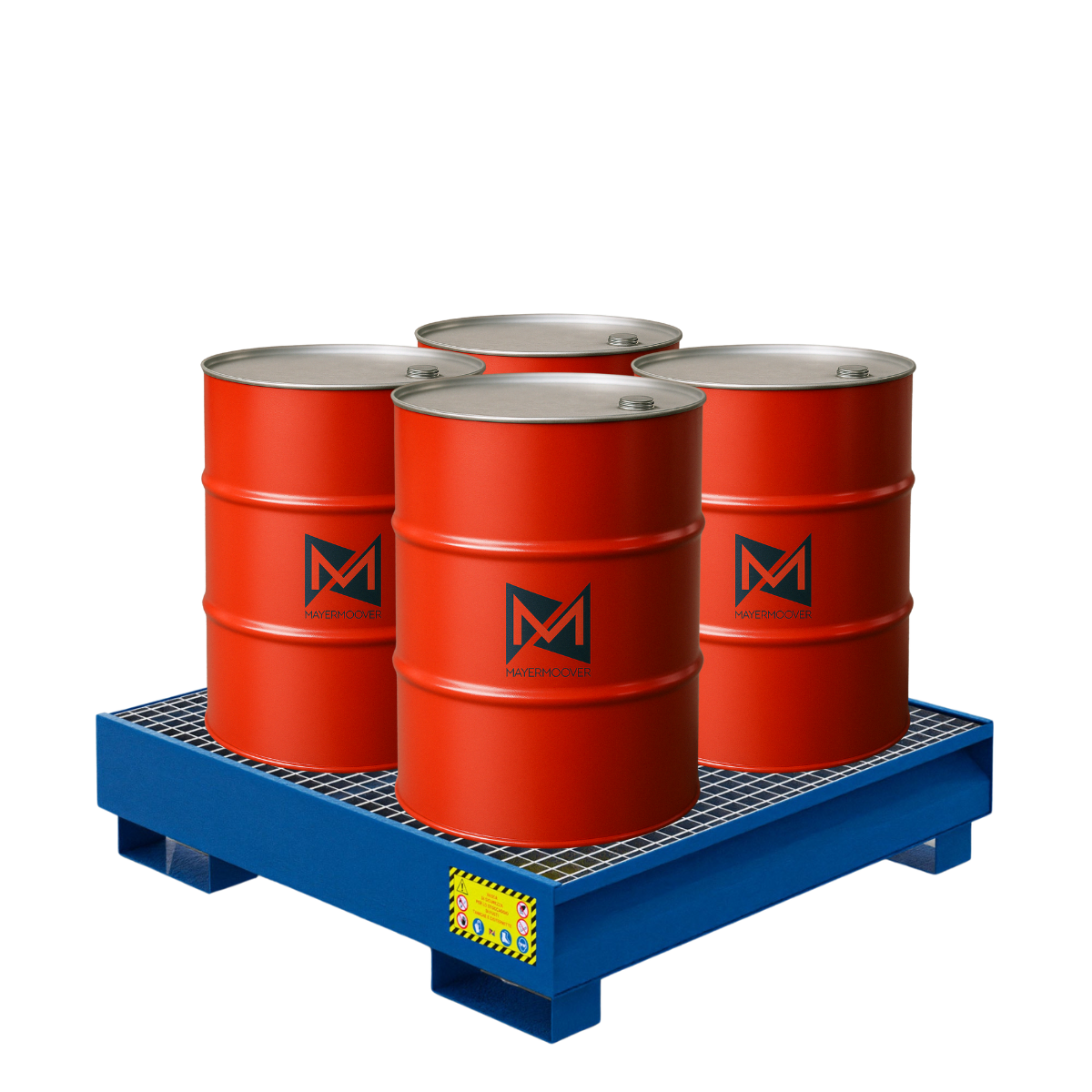

Collection tank for 4 x 200 LT drums - RAL 5010

EASY FAST STANDARD pallet truck


Metal collection tank for 1 x 1000 LT IBC tank - RAL 5010
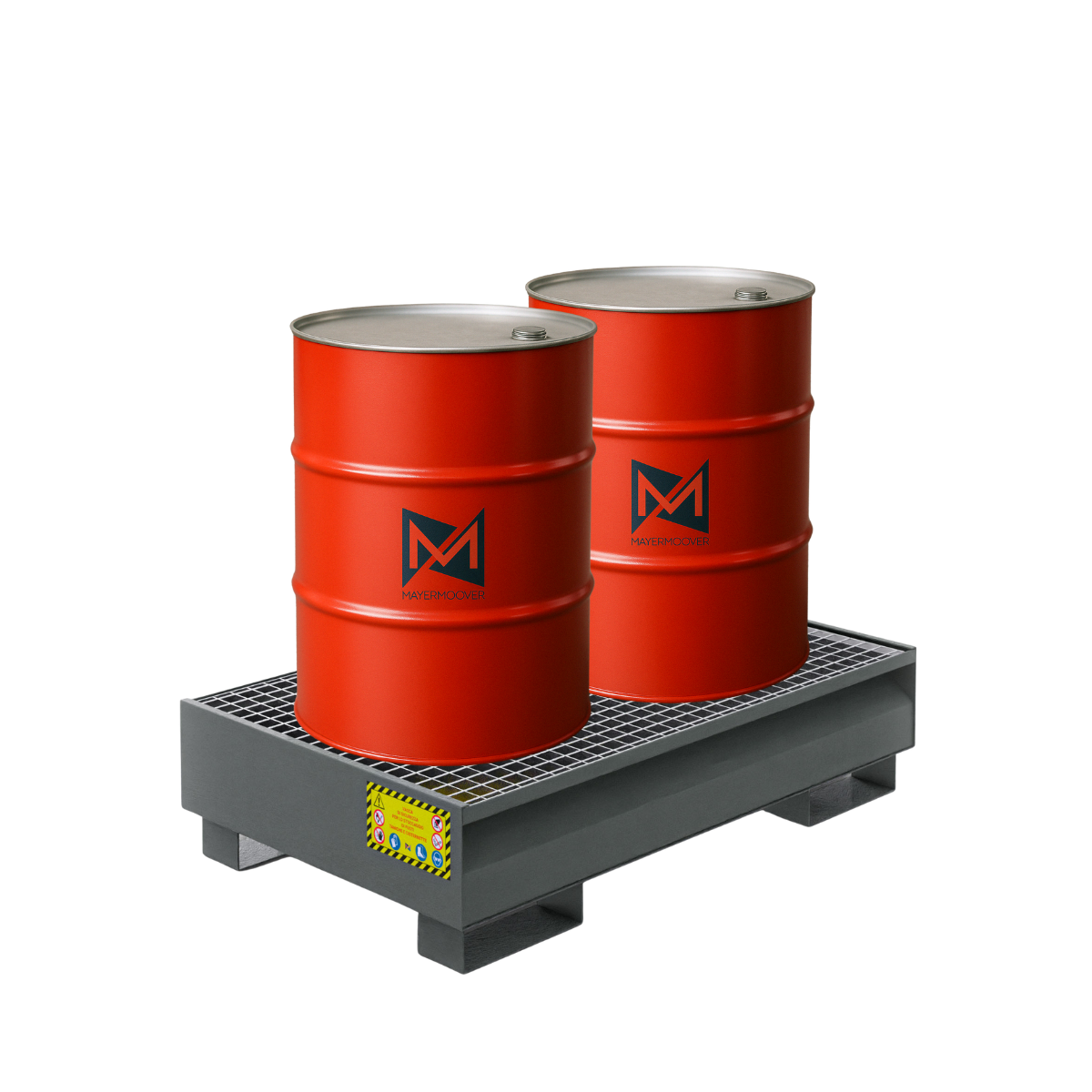

Collection tank for 2 x 200 LT drums - RAL 7010
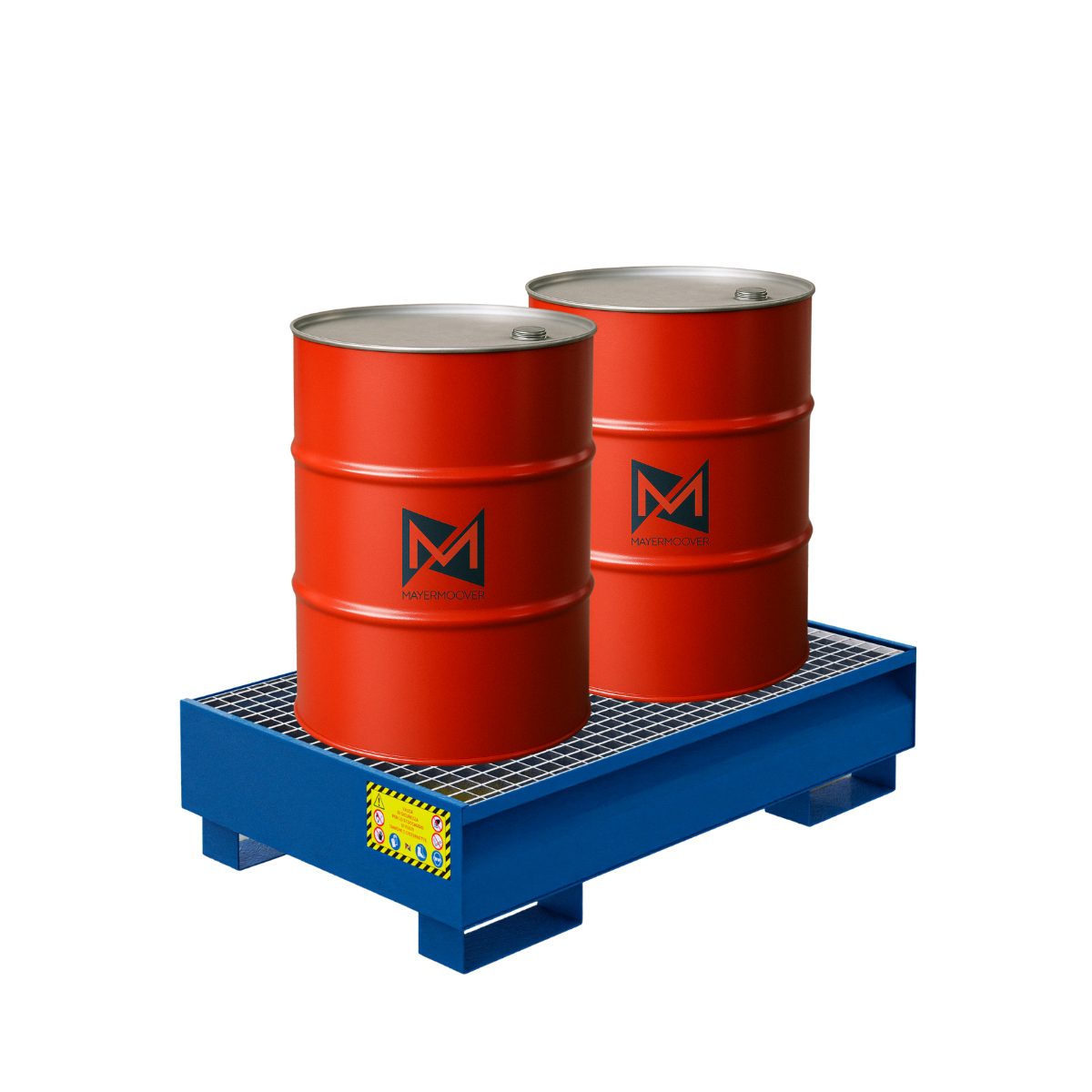

Collection tank for 2 x 200 LT drums - RAL 5010


Container Model 1089 C
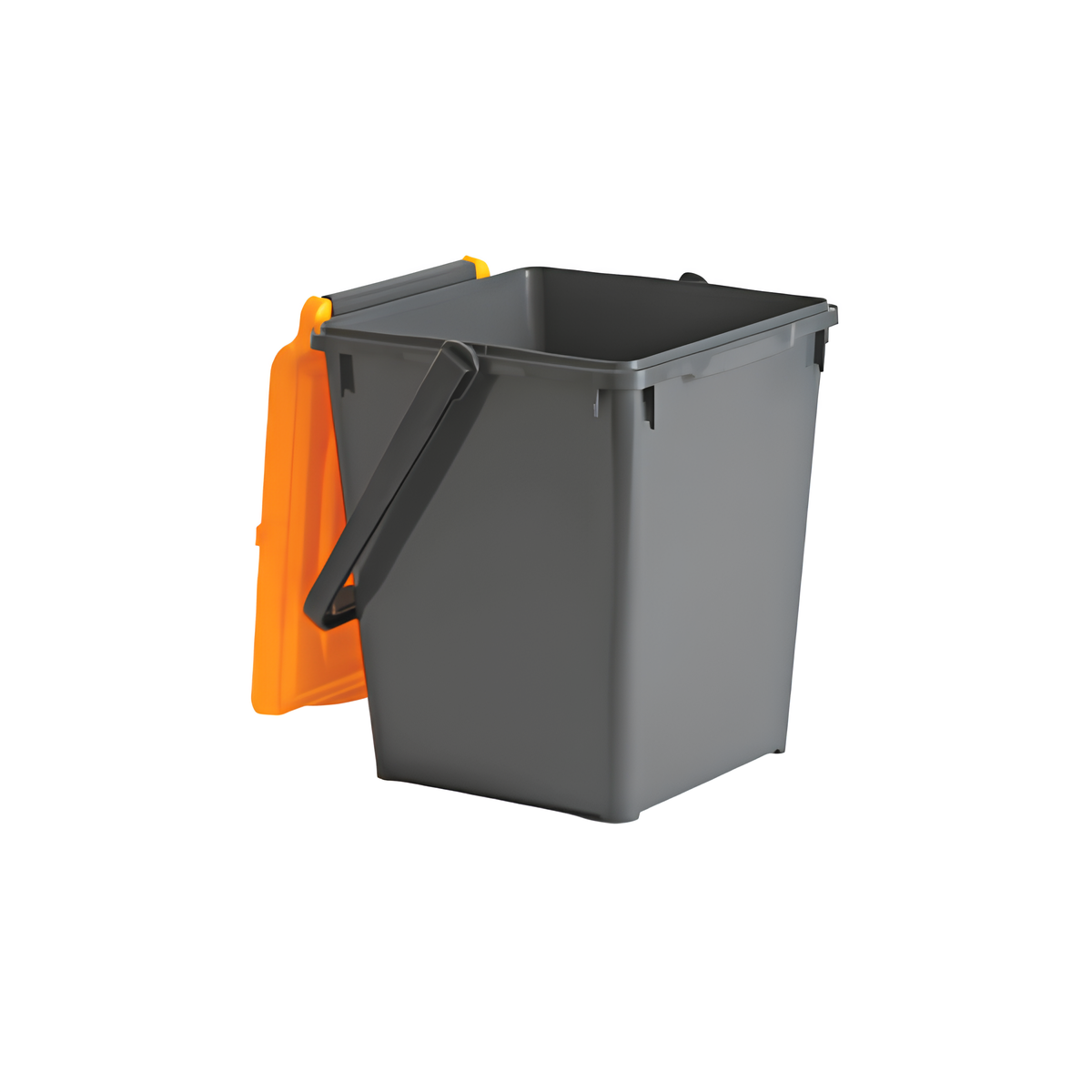
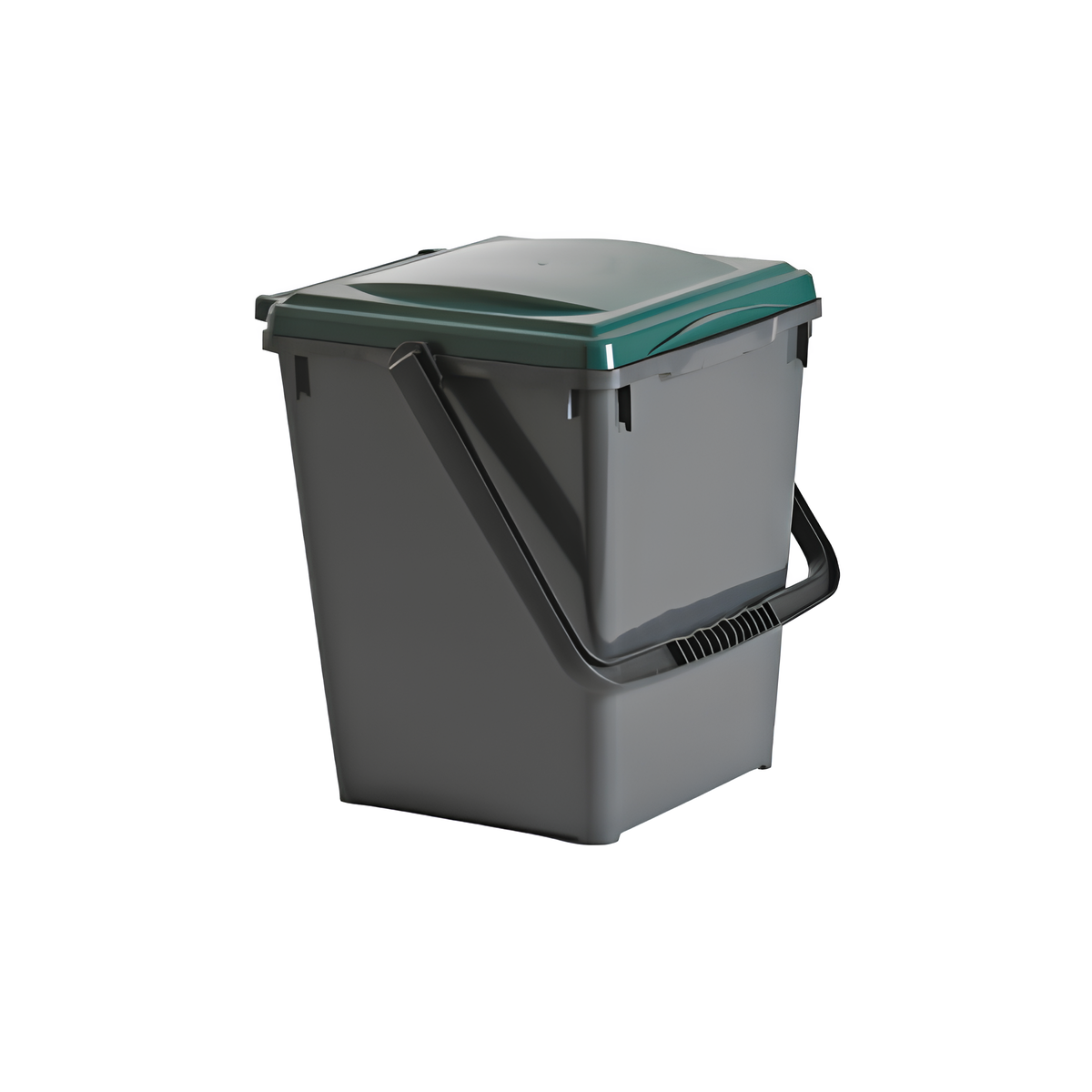
20 Lt Dustbin with Anti-stray Handle


Industry information

The hidden costs of wasted space. Three strategies for using modular shelving.
Advanced storage strategies that improve productivity and margins. In industrial and logistics environments, space isn't just a physical surface: it's a strategic resource.
Read more
Mayermoover signs the technical supply for the new experimental aquaponics plant at the University of Padua.
In collaboration with the DAFNAE department of the University of Padua, we contributed to the creation of an innovative laboratory, built with customized solutions and certified materials.
Read more
Cold-Weather Work Gloves: A Complete Guide to Choosing the Right One for Your Professional Needs
Working in cold environments puts a strain on your hands, safety, and productivity. Cold-resistant work gloves are designed to ensure thermal insulation, a secure grip, and dexterity , allowing you to work continuously, efficiently, and safely even in low temperatures. Why the cold is a risk for those who work Prolonged exposure to cold reduces blood flow to the extremities, causing: loss of tactile sensation reduction in grip strength increased errors and risk of injury faster fatigue possibility of cold-related injuries (numbness, chilblains, joint stiffness) A professional cold-proof glove creates a thermal barrier that protects the hand without compromising control over the tools or loads being handled. What makes a glove truly cold-proof? Not all winter gloves are suitable for work. A truly cold-resistant work glove must combine insulation, ergonomics, and safety. Thermal insulation The best gloves use combinations of: high density polyester and nylon fleece or brushed fabric linings membranes that trap hot air These materials reduce the loss of body heat and protect against cold by contact (e.g. metal surfaces, refrigerated packaging). Dexterity and ergonomics A good cold-proof glove shouldn't be stiff or bulky. Its structure should allow for: natural flexion of the fingers precise grip prolonged use without fatigue This is essential for anyone working with tools, scanners, levers, or mechanical components. Grip and safety The palm and fingers must ensure a non-slip grip , even in the presence of: humidity ice smooth or metallic surfaces Technical coatings increase control and reduce the risk of falling objects. EN 511 Certification Professional cold-proof gloves must be certified according to the EN 511 standard, which measures protection against: convective cold cold by contact water permeability Thermal protection is often combined with the EN 388 standard for mechanical resistance. Mayermoover Cold Weather Work Gloves Mayermoover, a specialized manufacturer and supplier of professional PPE, develops certified thermal gloves designed for intensive use in the industrial, logistics, and maintenance sectors. EDIS E24.01 Cold Weather Polyester Glove with Fleece Lining Ideal for outdoor work, construction, winter logistics and maintenance. The fleece lining ensures high thermal insulation while the outer fabric offers wear resistance and long-lasting comfort. EDIS E42.05WN Nylon and Spandex Cold Weather Glove Designed for those who need precision even in cold environments. The combination of nylon and spandex offers stretch, grip, and thermal protection without stiffening the hand. Perfect for refrigerated warehouses, picking, and assembly. Professional thermal work gloves A range designed to cover different levels of cold, activity and intensity of use, with solutions that combine ergonomics, insulation and durability. How to choose the right cold-proof glove The choice always depends on the actual environment of use. If you work outdoors in winter, you need gloves with high insulation and moisture resistance. If you work in cold rooms or on cold surfaces, contact cold protection is essential. If you handle tools or small components, a model with high dexterity is a priority. Always check: EN 511 certification correct fit compatibility with the activity carried out balance between heat and mobility A glove that is too big reduces grip, while one that is too tight reduces blood circulation and therefore heat. Cold-resistant work gloves are a strategic PPE for all professionals who work in low-temperature environments. It's not just about staying warm, but about working better, safer, and more efficiently . Discover the full range of cold-resistant gloves and choose the solution best suited to your work environment.
Read more
Industrial waste dumping bins: why choose forklift dumping buckets?
Tipping containers —often also called forklift tipping buckets —are today one of the most effective tools for collecting, handling, and unloading scrap and waste in production departments. Specifically, steel tipping containers are the standard for those who need to manage shavings, metal scrap, scrap, dust, debris, and mixed waste quickly and safely. In this article, we'll take a detailed look at what they're used for, what advantages they offer over other solutions, and why it's a good idea to choose Mayermoover's in-house tipping bins for industrial waste . What are tipping containers? A tipping container is a metal tub, usually made of sheet steel, designed to: collect production waste directly near the machines be moved with a forklift or pallet truck allow the contents to be unloaded via controlled, manual or automatic tipping , directly into the waste collection area or into larger capacity containers. The forklift tipping buckets are equipped with: fork pockets for quick forklift loading mechanical release systems for tipping (cable, lever or automatic) any wheels for pushing movement within the department Fields of application: where they are really needed Tipping containers for industrial waste are used across many sectors: mechanics and CNC machining : metal shavings and scraps, even with residues of cooling emulsions foundries and carpentry : scrap, slugs, spent sands internal logistics : mixed packaging waste (plastic, cardboard, strapping) construction and industrial maintenance : rubble, aggregates, demolition materials food and chemical-pharmaceutical industries (with stainless steel versions): process waste, materials subject to hygiene and corrosion resistance requirements Operational advantages of tipping metal containers Compared to fixed containers, plastic pallet boxes, or simple non-tipping containers, tipping skips offer a series of concrete advantages for production and warehouse managers. 1. On-board machine collection and reduction of downtime The tipping container is positioned directly next to the work center or production line, like this: operators do not have to leave to dispose of waste non-productive time and unnecessary travel are reduced the work area is kept tidy and free from loose material, with immediate benefits for safety Once full, the bucket is picked up by forklift and emptied into the waste collection area in a single operation. 2. Quick and controlled emptying The reversal occurs through: mechanical release operated by the operator on board the forklift (with rope or lever) automatic unloading systems that are activated by tilting the forks, keeping the operator at a safe distance Result: much shorter unloading times than manual transfer with shovels or boxes less exposure to cuts, bumps and contact with potentially harmful materials standardized and repeatable waste management flow 3. Robustness and durability Tipping metal containers are designed for intensive use: reinforced steel sheet structure edges and corners suitably stiffened to resist shocks and impacts certified capacities that can easily reach 600–2000 kg depending on the model This makes them suitable even in particularly harsh environments, where a plastic container would risk deformation, breakage or premature wear. 4. Security and regulatory compliance Forklift tipping buckets are equipment to be combined with forklifts and therefore fall within the scope of: Machinery Directive 2006/42/EC (CE marking of lifting devices/accessories) Italian legislation on health and safety in the workplace Legislative Decree 81/08 , in particular for operator training and the safe use of forklifts The user manuals for tipper trucks and forklifts prescribe, among other things: check that the container is an accessory permitted by the forklift manufacturer Checking the residual capacity of the forklift with the bucket and full load use by trained and qualified operators A properly designed tipper bucket also integrates: accidental rollover prevention systems safety release blocks any chains or anti-fork slip-off devices Why choose them over other containment solutions? Comparing tipping containers for industrial waste with other solutions, a series of advantages clearly emerge: Solution Pro Against Fixed boxes or pallet boxes High capacity, low unit cost. No tipping: often manual unloading. Boxes with opening bottom Quick vertical unloading. They require adequate height and space under the dump box. Plastic containers Light weight, no corrosion. Limited by sharp debris, high temperatures and repeated impacts. Tipper buckets for forklifts Collection on board the machine, handling with a forklift, controlled unloading directly into the final container. Higher dead weight, requiring careful verification of the forklift's capacity. With a view to lean manufacturing and optimising internal flows, tipping containers allow you to: combine collection, handling and unloading into a single system reduce the number of manipulations improve traceability and separation of different types of waste (metals, plastic, paper, etc.) Criteria for choosing a tipping bucket When selecting a tipper container, the main technical parameters to consider are: Volumetric capacity (liters) It must be sized according to the volume of waste generated in the work cycle (e.g. 300, 500, 750, 1100 litres...). Capacity (kg) It must be adequate for the density of the material (light shavings vs. compact scrap) and compatible with the residual capacity of the forklift. Material and treatments general purpose painted carbon steel hot-dip galvanized steel for outdoor or humid environments stainless steel for sectors with hygiene requirements or high risk of corrosion Movement modes only forkable with wheels for mixed use (manual push + forklift) Accessories and customizations (examples) lids or grids to avoid material projections discharge valves for emulsion liquids special reinforcements for particularly abrasive scrap Dedicated colors for waste coding (metal, plastic, paper, wood, etc.) Why choose Mayermoover tipping containers? Choosing standard catalog containers or relying on a direct manufacturer is not the same thing, especially when it comes to safety, ergonomics, and optimizing internal flows. The fact that Mayermoover produces its own tipping buckets and containers internally brings a series of concrete advantages: Tailor-made customer cycle design We can size volumes, capacities, dimensions and accessories based on: type of systems and layout collection frequency space constraints and trolley routes Integration with existing forklift fleet The design takes into account the characteristics of the forklifts in use (capacity, center of gravity, lifting height), in compliance with applicable regulations and the manufacturers' instructions. Quality of materials and processes The use of steels suitable for the working environment, targeted thicknesses and structural reinforcements allows us to guarantee: long life even in the presence of shocks, impacts and concentrated loads reduction of downtime due to container breakages Standardization and documented safety Our production of tipping containers is geared towards compliance with current regulations and the creation of comprehensive technical documentation (user manuals, maintenance instructions, operator training guidelines). For those who need to manage waste, scrap and production waste in a structured way, tipping containers today represent an almost essential solution: reduce waste management times increase safety in the department improve order and cleanliness optimize internal flows between production and waste area Mayermoover's forklift tipping buckets , designed and manufactured in-house, take these advantages to the next level by adapting the container to the actual needs of the plant, not the other way around. If your company is still managing waste and scraps using generic bins, pallet boxes, or improvised solutions, it's time to consider introducing tipping metal containers designed specifically for your process: it's an investment that pays off in efficiency, safety, and operational continuity.
Read more


